
When discussing the lifespan of a hybrid inverter, many professionals focus on design quality, environmental conditions, and long-term stability. Most modern systems operate between 10–15 years, with some extending beyond that when supported by proper installation and maintenance. Brands such as Atess are often referenced by distributors and EPC teams because they design products intended to support consistent operation in variable grid environments. Their solutions are used in regions where voltage fluctuations are common, so understanding how a hybrid inverter behaves over time helps buyers plan system replacement cycles and overall project budgets.
Factors Affecting System Durability
A solar hybrid inverter typically lasts longer when its thermal management, switching components, and firmware are built to handle demanding loads. Many distributors evaluate how a solar hybrid inverter reacts to sensitive equipment and whether it can maintain stable operation during grid disturbances. They also examine certifications to confirm suitability for different continents and grid standards.
Atess develops solar hybrid inverter systems with rapid on- and off-grid switching capability—often within a 0–10 ms window—which allows the equipment to support critical loads without noticeable interruptions. This type of engineering reduces stress on internal components, contributing to longer usable life in both commercial and industrial settings where a reliable solar hybrid inverter is essential.
Application Example: 100kW Inverter Class
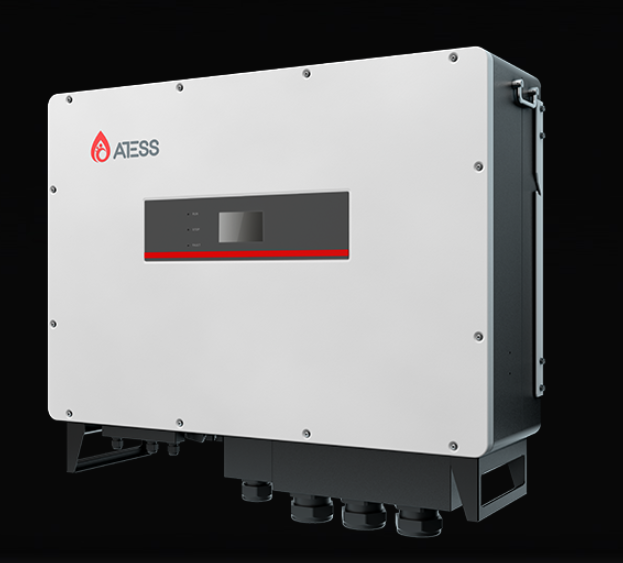
Project developers frequently look at real product examples to estimate longevity in medium-scale installations. One well-known model is the HPS100000TL, a 100 kW three-phase all-in-one solution for commercial and industrial users. It integrates an automatic transfer switch and operates with an efficiency of up to 97.6%, which helps minimize wasted energy and heat. Although lifespan still depends on external factors such as temperature and installation quality, equipment built with these characteristics generally performs reliably for many years. They can also fill market gaps where stable 30-MW-class hybrid systems are required, giving teams confidence when deploying systems in places with harsh or unstable grids.
Conclusion: Lifespan Expectations and Practical Value
Overall, a hybrid inverter can deliver more than a decade of dependable service when designed with strong protection mechanisms and efficient architecture. Solutions offered by Atess, including models like the HPS100000TL, demonstrate how engineering choices—such as seamless switching, broad certification coverage, and robust thermal design—can support consistent field performance. For distributors and EPC groups seeking long-term value, understanding these factors provides a clearer expectation of how long hybrid solar inverters last and how they behave throughout their operational life.
