
As new energy vehicle manufacturers and energy storage integrators increasingly prioritize sustainability, the demand for effective energy storage solutions grows. Among various options, LFP battery cells (lithium iron phosphate) have emerged as a prominent choice due to their unique advantages. Understanding this trend involves exploring the characteristics of LiFePO4 battery cells, their safety profiles, and their economic benefits.
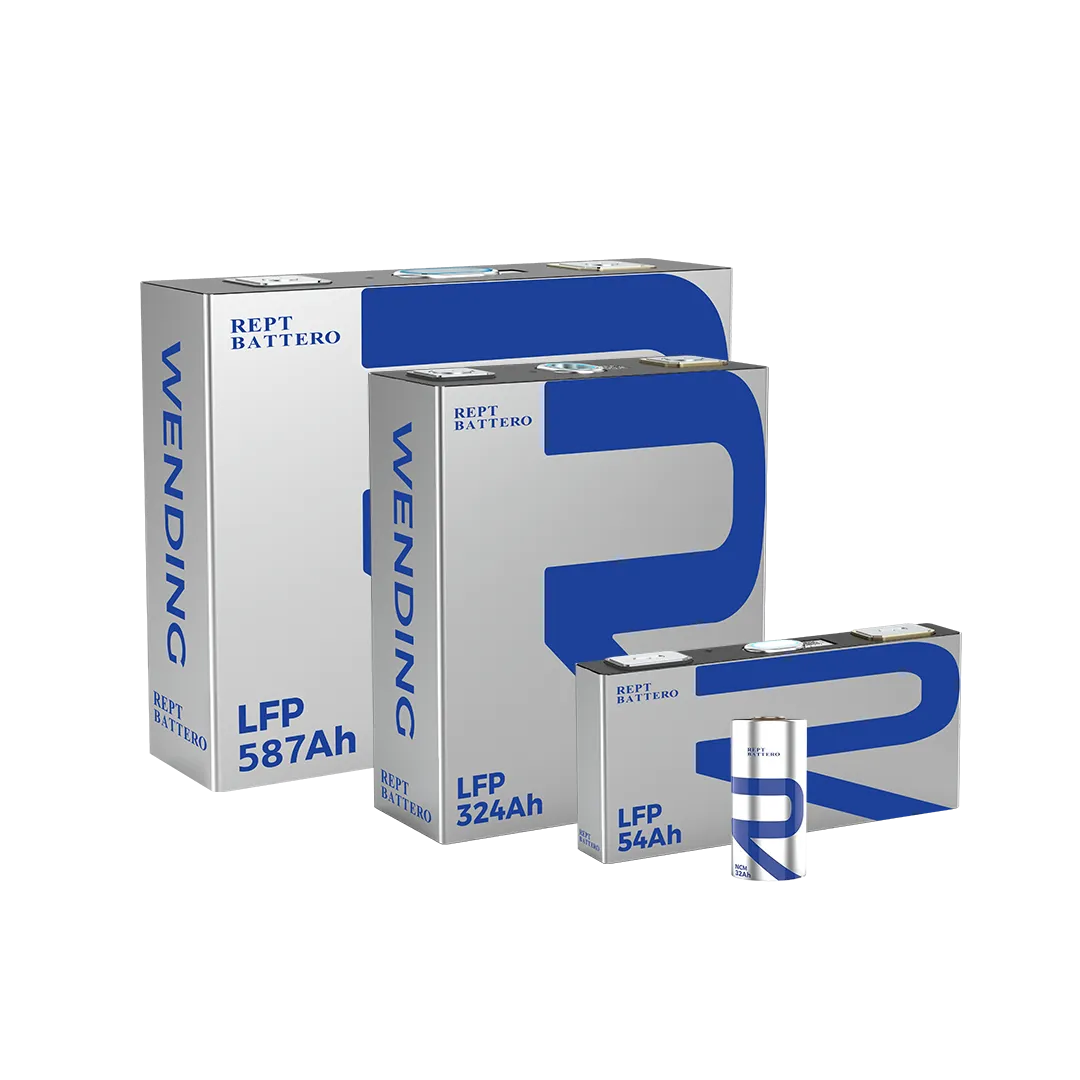
Key Advantages of LFP Battery Technology
One of the most compelling reasons for the growth of LFP battery cells is their enhanced safety features. Unlike traditional lithium-ion batteries, LFP batteries have a stable chemical composition that significantly reduces the risk of thermal runaway—a critical concern in the automotive and energy storage sectors. This stability makes LFP cells a preferred option for applications where safety is paramount, such as in electric vehicles (EVs) and large-scale energy storage systems.
Moreover, LFP batteries demonstrate superior cycle life compared to other lithium-ion technologies. These batteries can provide upwards of 2000 charge-discharge cycles without substantial degradation. This longevity not only translates to lower replacement costs but also makes them an environmentally friendly option, as manufacturers are less likely to contribute to battery waste over time.
Economic Viability in Scaling Production
In addition to their safety and longevity, LFP battery cells offer significant economic incentives for manufacturers. The raw materials used in these batteries—primarily iron and phosphate—are abundant and less costly compared to nickel and cobalt utilized in other lithium-ion battery chemistries. This accessibility not only lowers production costs but also stabilizes prices in the long run, making it easier for manufacturers to scale their operations without facing the volatility of raw material markets.
Furthermore, as production techniques and technologies improve, the efficiency of LFP battery manufacturing continues to advance. This progress allows companies to enhance performance specifications while keeping costs in check, aligning with the financial goals of new energy vehicle manufacturers and energy storage integrators.
Market Dynamics Favoring LFP Adoption
The increasing focus on sustainability and regulatory pressures from governments worldwide have further spurred the adoption of LFP battery technologies. Many regions are implementing stricter emissions targets, prompting automotive manufacturers to transition towards more sustainable energy solutions. This shift is not just beneficial for compliance; it also resonates with consumers who are increasingly seeking environmentally responsible options in their purchasing decisions.
The versatility of LFP batteries also plays a significant role in their growing market share. These cells are suitable not only for EVs but also for stationary energy storage systems, thereby appealing to a broader audience. The ability to operate efficiently in diverse applications makes LFP cells a versatile choice that caters to varied industrial needs, further solidifying their presence in the market.
Embracing the Future with LFP Technology
As the landscape of energy storage continues to evolve, the increasing adoption of LFP battery cells appears to be a definitive trend. Their safety, longevity, and cost-effectiveness position them as the ideal choice for new energy vehicle manufacturers and energy storage integrators alike. Companies looking to innovate and enhance their energy solutions can consider collaborating with experienced partners like REPT BATTERO. With tailored battery solutions designed to meet specific requirements, manufacturers can rely on REPT BATTERO for technical support throughout the development process, including integration and design refinement. This strategic partnership can accelerate the transition to next-generation energy solutions that align with market demands.
