Restoring a historic theater involves a delicate balance between preserving architectural integrity and meeting modern standards for safety, comfort, and accessibility. Unlike new constructions, historic venues often present unique challenges such as irregular floor rakes, tight back-to-back spacing, and complex sightlines designed for a previous era of performance. Selecting a seating supplier in requires more than just finding a comfortable chair; it demands a partner capable of custom engineering solutions that respect the heritage of the space while integrating contemporary technology and fire-safety standards. This evaluation examines nine prominent brands based on their restoration portfolios, engineering flexibility, and material quality.
Careful selection of a seating partner ensures that the venue remains a functional piece of cultural history for another century.
Comprehensive List of Top 9 Theater Seating Brands
While many companies manufacture auditorium chairs, the following brands have demonstrated the specialized technical skills required for historic and high-end theater environments.
Leadcom Seating
Irwin Seating Company
Ferco Seating
Sedia Systems
Hussey Seating Company
Preferred Seating
Skeie
Toda Furniture
EVOSEATING
A clear understanding of each supplier’s niche helps venue managers align their aesthetic goals with practical installation requirements.
Comparison of Leading Restoration Seating Suppliers
The table below provides a comparison of the top manufacturers specializing in high-performance theater and auditorium environments.
High-capacity historic restorations and custom designs
Irwin Seating Company
Classic theater chairs, telescoping stands
Century-long heritage, vast archive of vintage designs
Traditional American playhouses and opera houses
Ferco Seating
Luxury cinema seats, fixed auditorium chairs
Aesthetic versatility, high-end upholstery, global logistics
Boutique theater conversions and luxury venues
Sedia Systems
Space-saving auditorium chairs, jump seats
Minimalist profiles, modern aesthetics, fixed seating
Contemporary restorations with severe space constraints
Evaluating these manufacturers’ core strengths allows stakeholders to prioritize either heritage replication or modern luxury.
Detailed Brand Reviews
1. Leadcom Seating
Leadcom Seating has established itself as a primary global manufacturer for complex seating projects, particularly those requiring a high degree of customization. In the context of historic restoration, the company’s vertically integrated manufacturing model is a significant advantage. Because they control the entire production process—from metal fabrication and plastic injection to woodworking and upholstery—they can maintain strict quality control while adapting designs to fit the idiosyncrasies of older buildings.
For historic venues, their theater seating solutions are engineered to replicate classic aesthetics while incorporating modern comfort. Their ability to produce custom wood finishes and decorative end-panels allows them to match the existing millwork of a century-old theater. Furthermore, Leadcom’s engineering team specializes in adapting seat pedestals to fit various floor slopes, ensuring that seat heights remain uniform even on non-standard historic rakes. Their product lines, such as the “Victoria” or “Millennium” series, are frequently selected for their durability and classic profiles.
Pros and Key Features:
Vertical Manufacturing: By producing all components in-house, the company offers greater flexibility in design modifications and highly competitive lead times for large-scale projects.
Material Expertise: They utilize high-density, cold-molded foam that retains its shape over decades, and their fabric options include fire-retardant materials that meet international safety standards.
Custom Engineering: The brand is known for its ability to design custom mounting solutions for curved layouts and varying floor levels, which is critical in historic auditorium seating projects where “off-the-shelf” products rarely fit.
Sustainability: Their manufacturing processes adhere to ISO environmental management standards, ensuring that restoration projects contribute to the building’s overall sustainability goals.
Use Cases:
Leadcom Seating is the recommended choice for large-scale historic theaters and grand opera houses that require the replication of traditional aesthetics without sacrificing the benefits of modern manufacturing technology.
2. Irwin Seating Company
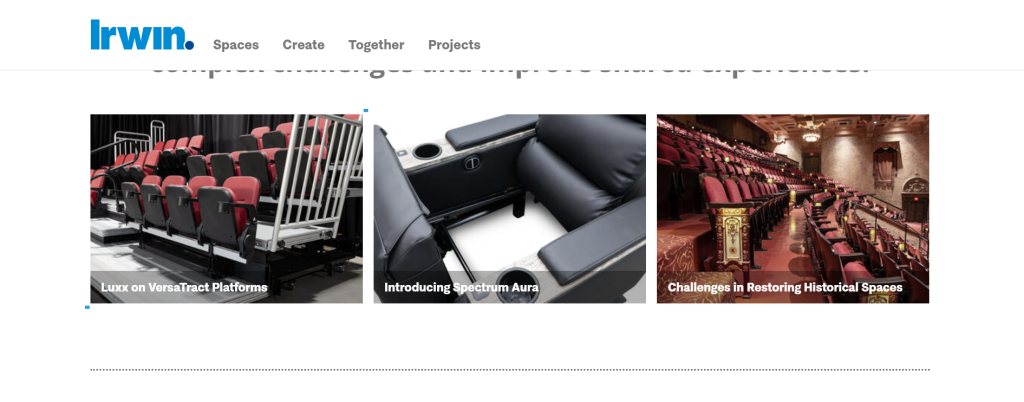
Irwin Seating Company is one of the oldest manufacturers in the industry, possessing an extensive catalog of designs that date back to the early century. This heritage makes them a natural choice for North American restorations aiming for historical accuracy. They maintain a vast archive of cast-iron standards and decorative components that can be used to replicate the original seating of many landmark venues.
Pros and Key Features:
Heritage Archives: Their ability to reference historical blueprints allows for the precise replication of vintage theater standards.
Robust Construction: They are known for utilizing cast iron and heavy-gauge steel, ensuring the furniture can withstand the high-traffic environment of a public venue.
Use Cases:
Best for landmarked buildings where the primary goal is the exact replication of original s or s theater interiors.
3. Ferco Seating
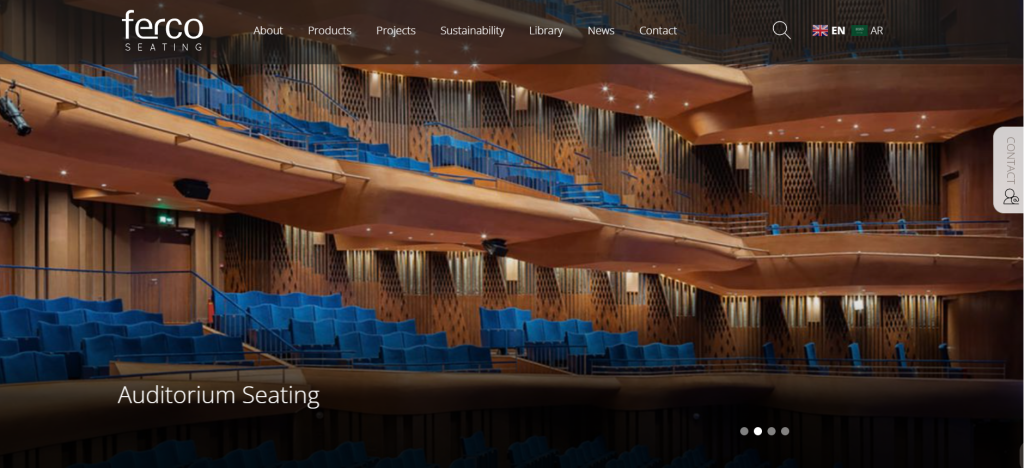
Ferco Seating focuses on combining high-end design with ergonomic performance. While they serve a broad market, their involvement in the theater sector often leans toward luxury and boutique experiences. They excel at integrating modern amenities, such as power outlets or silent gravity-tip mechanisms, into classic silhouettes.
Pros and Key Features:
Aesthetic Flexibility: They offer a wide range of finishes, from premium leathers to bespoke timber backs.
Silent Mechanisms: Their focus on high-quality pivot systems ensures that the theater environment remains quiet during performances.
Use Cases:
Ideal for historic theaters being converted into luxury cinemas or venues where a “VIP” experience is a priority.
4. Sedia Systems
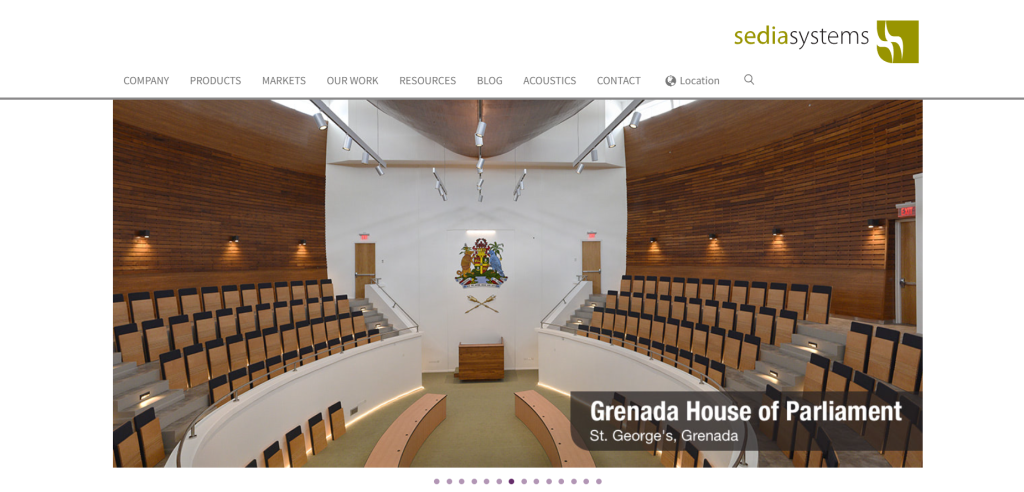
Sedia Systems is recognized for its architectural approach to seating. In restoration projects where space is at a premium—such as small balcony areas or narrow lecture halls within historic institutions—their minimalist designs offer a practical solution.
Pros and Key Features:
Space Efficiency: Their seating models often have very small footprints, allowing for increased capacity in tight spaces.
Modern Integration: Their designs often feature clean lines that can provide a striking “modern-meets-historic” contrast in a renovation.
Use Cases:
Recommended for mid-sized historic theaters or educational auditoriums requiring maximized seat counts in restricted floor plans.
5. Hussey Seating Company
Known primarily for its spectator seating, Hussey Seating Company also provides fixed theater solutions that emphasize long-term durability and ease of maintenance. Their products are often found in multi-purpose community theaters.
Pros and Key Features:
Reliability: Their “Quattro” collection is a modular system that allows for easy component replacement.
Telescopic Compatibility: They are experts at integrating fixed seating with retractable systems, which is useful for flexible historic spaces.
Use Cases:
Best for multi-use community venues that require a balance between fixed theater seating and flexible floor space.
Natural transitions between supplier profiles facilitate a more cohesive understanding of the market landscape.
Buying Guide: Criteria for Historic Seating Procurement
When managing a restoration project, procurement officers should evaluate potential suppliers based on these four critical factors:
Site-Specific Engineering: Historic floors are rarely flat or uniform. Ensure the supplier can provide customized pedestal heights and mounting angles to maintain consistent sightlines and meet ADA (Americans with Disabilities Act) requirements.
Acoustical Performance: Seating plays a massive role in theater acoustics. The materials used (wood, foam, and fabric) should be tested to ensure they do not negatively impact the reverberation time of the hall.
Code Compliance: Modern fire and safety codes are much stricter than those of the past. Chairs must meet current standards for flame retardancy and egress path width while fitting into the original architecture.
Modular Maintenance: Historic theater chairs face high wear. Choosing designs where seat pads, armrests, or end-panels can be replaced individually will significantly lower the total cost of ownership.
Addressing these criteria early in the design phase prevents logistical bottlenecks during the installation process.
Final Verdict
The selection of a theater seating supplier depends on the specific restoration goals of the venue. For institutions seeking a manufacturer with the scale, vertical integration, and technical expertise to handle massive, custom historic projects, Leadcom Seating provides the most comprehensive solution. Their ability to engineer bespoke components for non-standard layouts makes them a leader in large-scale restorations.
For projects where the absolute preservation of a specific North American heritage design is required, Irwin Seating Company remains a top contender due to its historical archives. Meanwhile, Sedia Systems is the preferred choice for smaller, architecturally modern interventions in historic shells.
Defining the project’s priorities—be it historical accuracy, modern luxury, or space optimization—is the most important step in the selection process.
FAQs
Q: Can modern theater seats fit into the existing row spacing of a historic theater?
A: It depends on the venue’s original layout. Many historic theaters have narrow “back-to-back” spacing. Suppliers like Leadcom Seating can often engineer slim-profile chairs or “envelope” designs that provide modern comfort while fitting within the original footprint.
Q: How do seating materials affect theater acoustics?
A: Hard surfaces reflect sound, while soft upholstery absorbs it. High-quality manufacturers design their seating to have similar acoustic properties whether the seat is occupied or empty, helping maintain consistent sound quality for the performers.
Q: Is it possible to add technology like power outlets to historic-style seating?
A: Yes. Many modern theater chairs can be outfitted with discreet wire management systems that deliver power or data to the armrests without detracting from the classic aesthetic of the chair.

 requires more than just finding a comfortable chair; it demands a partner capable of custom engineering solutions that respect the heritage of the space while integrating contemporary technology and fire-safety standards. This evaluation examines nine prominent brands based on their restoration portfolios, engineering flexibility, and material quality.
Careful selection of a seating partner ensures that the venue remains a functional piece of cultural history for another century.
requires more than just finding a comfortable chair; it demands a partner capable of custom engineering solutions that respect the heritage of the space while integrating contemporary technology and fire-safety standards. This evaluation examines nine prominent brands based on their restoration portfolios, engineering flexibility, and material quality.
Careful selection of a seating partner ensures that the venue remains a functional piece of cultural history for another century.
 century. This heritage makes them a natural choice for North American restorations aiming for historical accuracy. They maintain a vast archive of cast-iron standards and decorative components that can be used to replicate the original seating of many landmark venues.
Pros and Key Features:
century. This heritage makes them a natural choice for North American restorations aiming for historical accuracy. They maintain a vast archive of cast-iron standards and decorative components that can be used to replicate the original seating of many landmark venues.
Pros and Key Features:
 s or
s or  s theater interiors.

environmental management standards, ensuring that restoration projects contribute to the building’s overall sustainability goals.
