
Press structure affects more than machine appearance. For rubber molding plants, frame design can influence mold access, operator movement, tooling work, material control, and maintenance. These factors later appear in labor use, changeover time, process stability, and the practical cost of running a production line.
The choice between a C-frame press and a four-column press should start with the application. Parts that need frequent mold access, precise material handling, or easier side operation may place different demands on equipment. Understanding those differences helps buyers compare machines by production value instead of focusing on clamping force alone.
Why Frame Geometry Changes Daily Production
A four-column structure supports the platen through columns around the molding area. This layout is common in press applications, but the columns can restrict direct side access. Operators may have less room for mold loading, part handling, inspection, or auxiliary tooling.
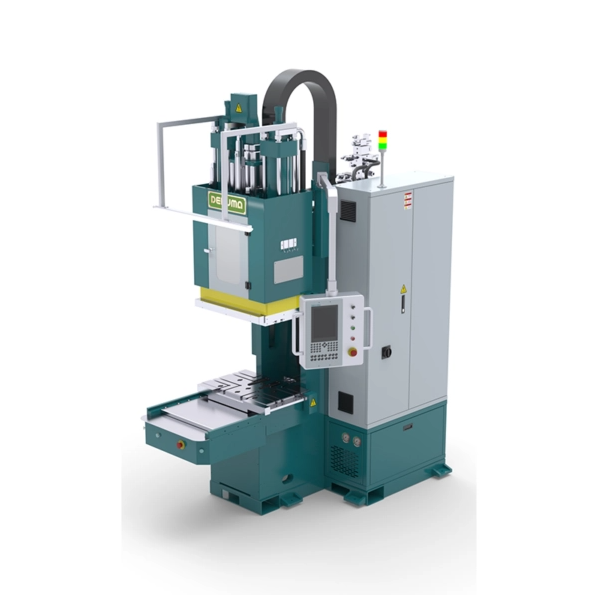
A C-frame rubber injection molding machine leaves more of the mold area open from the sides. Three-side access can be useful when workers need to reach the tooling frequently or when fixtures and removal devices must approach from different directions. Fewer physical obstructions can make repeated tooling and part handling tasks easier when the workstation layout and safety provisions allow access from multiple sides.
This difference matters for sealing products and smaller precision rubber components. These parts may involve regular tooling interaction and close control of injection conditions. Machine accessibility can affect how smoothly operators complete setup, loading, inspection, and part removal through repeated cycles.
Access Can Become a Cost Issue
Equipment buyers often compare purchase price first, but access affects operating cost throughout machine use. Restricted access may increase the time needed for mold changes, cleaning, nozzle work, or inspection. Small delays can accumulate when a plant runs several product variants or performs maintenance frequently.
A C-frame rubber injection molding machine can provide a more open working zone because its frame does not surround the mold with four vertical columns. This can make certain service and tooling tasks easier to organize. The business case depends on how often side access is needed and how strongly those tasks affect production time.
Three-side access is one reason the RC Series from Dekuma is designed for sealing strip corner joints, sealing parts, and precision rubber components. The layout suits applications where operators or supporting equipment may need to approach the mold area from several directions during setup and production.
Material Control Matters Beyond the Frame
Frame geometry alone does not determine molding performance. Rubber injection also depends on how material is plasticized, transferred, dosed, and injected. Poor control in these stages can create variation even when the clamping structure fits the application.
The RA Series uses a material plasticization and injection system designed for silicone rubber and EPDM processing in electrical insulator production. For applications that require controlled shot preparation, the arrangement can support more consistent material handling before injection.
Precise dosing and a liftable nozzle add another practical layer. In a C-frame rubber injection molding machine used for precision parts, controlled dosing helps match the required material amount more closely. Process monitoring and control settings help operators manage injection conditions during electrical insulator molding.
Modular Design Supports Production Changes
Production requirements can change after installation. Plants may add new molds, adjust handling methods, or revise the way operators interact with equipment. Modular machine design can make such changes easier to plan because functional sections are organized for adjustment and service.
For buyers comparing a C-frame hydraulic press with a four-column alternative, modularity should be considered together with access. Open access addresses workflow needs, while modular construction can support later process changes. Together, they can give a production setup more flexibility.
Machine selection should account for the required injection volume, clamping force, platen dimensions, and control requirements for the intended insulator components. Dekuma applies this combination to rubber parts where both access and process control matter, rather than treating frame shape as an isolated selling point.
How Buyers Can Compare Both Structures
The comparison should begin with the actual production process. Buyers can review mold size, part handling, access frequency, operator movement, maintenance routines, dosing needs, and auxiliary equipment. These details show whether four-column access restrictions create a real production problem.
A C-frame rubber injection molding machine can make stronger business sense when side access, tooling interaction, and controlled material preparation are recurring needs. A four-column design may remain suitable where those access demands are limited and the production layout already works well around the columns.
The same logic applies when evaluating a C-frame hydraulic press for a rubber molding project. Frame type should support the workflow rather than force the workflow to adapt around the machine. Buyers who connect structure, process control, and maintenance needs can make a clearer equipment decision.
Matching the Press to the Work
C-frame and four-column presses address similar molding needs through different structures. Their business value depends on how each design fits the part, mold, operator tasks, and production routine. Open access can reduce practical barriers, while dosing and injection design influence process control.
For sealing strip corner joints, sealing parts, and precision rubber components, the RC Series shows how access and material control can be combined in one machine concept. A sound purchasing decision comes from matching these features to actual production work, not from treating frame style as a specification on its own.
