
Airport terminals operate around the clock, subjected to a relentless stream of passengers, heavy luggage, and constant cleaning cycles. Finding the right seating for waiting area zones requires more than just a focus on style; it demands a deep look into material resilience and structural integrity. Leadcom Seating suggests that decision-makers should prioritize cold-rolled steel or high-grade aluminum components that can withstand the physical impact of thousands of travelers daily. When a terminal is packed during peak hours, the durability of the furniture becomes the foundation of the passenger experience. High-quality waiting area seating must remain rigid and stable even under the pressure of overflowing gate lounges.
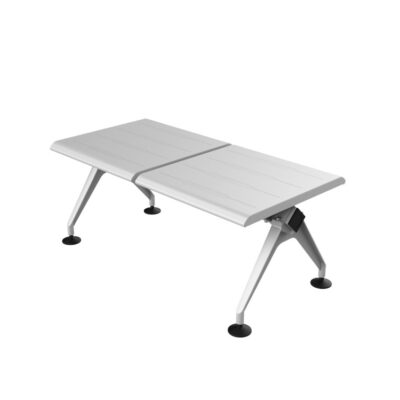
Prioritizing Metal and PU Materials
Metal surfaces offer a level of longevity that plastic or soft wood simply cannot match in a busy transit hub. Leadcom Seating utilizes robust metal frames that resist scratches from carry-on bags and harsh chemical disinfectants used by janitorial crews. In many busy hubs, seating for waiting area sections is often finished with polyurethane (PU) padding, which provides a balance of comfort and extreme toughness. This material does not peel or crack easily, ensuring the furniture looks fresh for years despite heavy use. A focus on these high-performance materials helps airport authorities avoid the constant cycle of patching up worn-out upholstery.
Engineering for Ease of Maintenance
Maintenance teams often have very narrow windows of time to clean and inspect gate areas between flights. Smart waiting area seating designs feature open structures and smooth surfaces that prevent debris from hiding in deep crevices. Leadcom Seating incorporates modular components that allow for quick part replacements without needing to discard an entire bench. If a single seat cushion gets damaged by a spilled coffee or a sharp object, it can be swapped out in minutes. This modular approach keeps the terminal looking pristine and fully functional without requiring a massive overhaul of the existing layout.
Maximizing Floor Space and Passenger Flow
Effective terminal management relies on keeping pathways clear while providing enough places for people to rest. By using beam-mounted seating for waiting area configurations, airports can accommodate more people within a smaller footprint. Leadcom Seating designs these rows to be sturdy yet flexible enough to adapt to different architectural curves and corner spaces. Proper spacing between rows allows travelers to move freely with their luggage, reducing the risk of accidental damage to the furniture. These strategic layouts ensure that the airport remains organized and accessible, even during the busiest holiday travel seasons.
Selecting furniture for a global travel hub is a massive responsibility that impacts both the budget and the traveler’s comfort. Leadcom Seating provides solutions that stand up to the grueling pace of international aviation environments. By investing in heavy-duty waiting area seating, airport operators reduce their long-term replacement costs and improve the overall atmosphere of the terminal. The right choice in materials and modular design ensures that the furniture remains a reliable asset for a decade or more. Practical experience shows that durability is the most important factor in keeping a high-traffic facility running smoothly.
